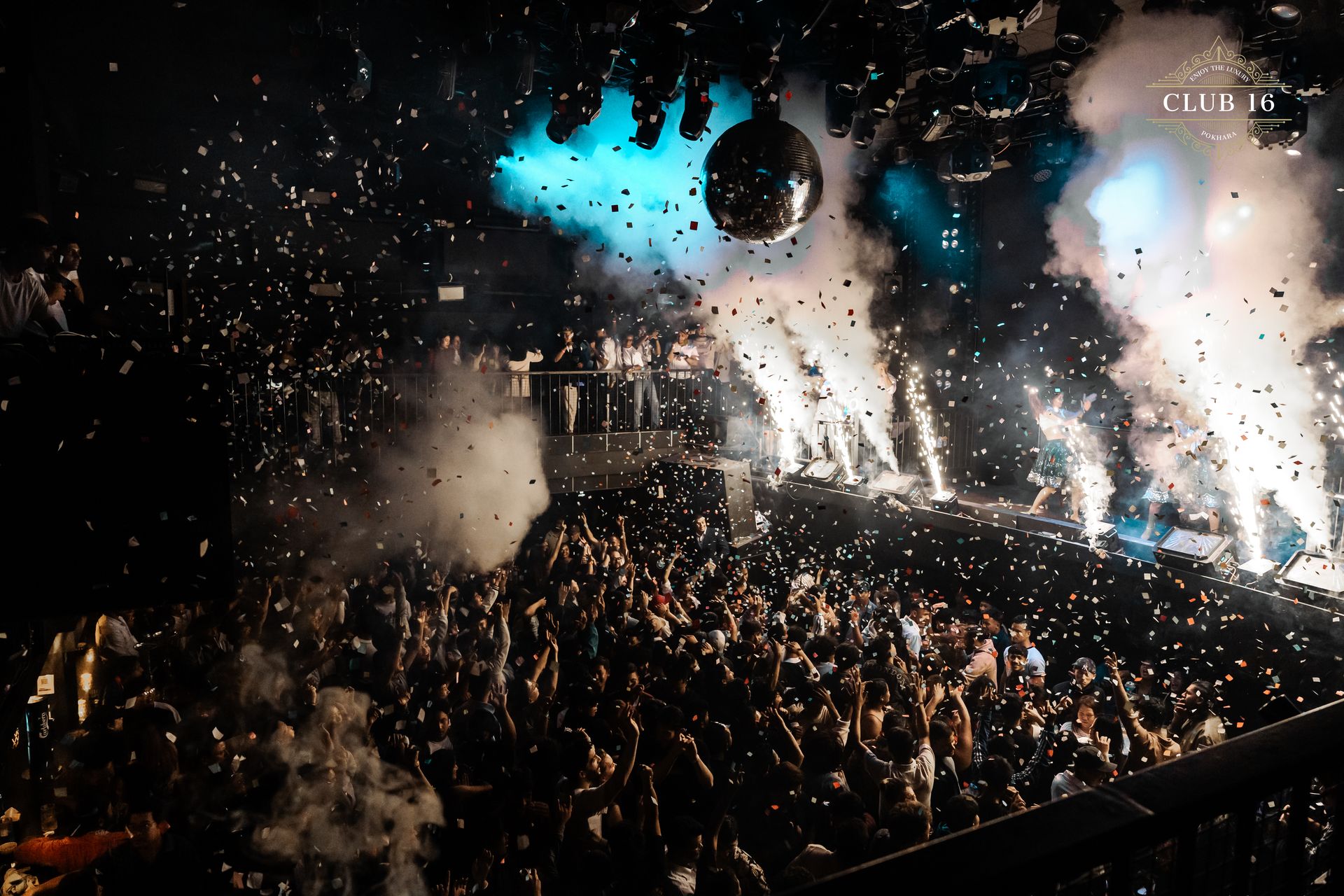
शनिवार रात किसी भी अच्छे Nepali नाइटक्लब में कदम रखिए, और आपके सामने एक म्यूज़िक वीडियो जैसा सीन होगा — सूखे बर्फ के धुएं से चीरती हुई लेज़र की किरणें, हाथों के ऊपर बरसती कन्फेटी, एक saxophonist जो DJ के साथ धुनें बजा रहा है, और स्टेज पर दस फीट ऊंचे sparkler fountains। पहला रिएक्शन सबका एक जैसा होता है — फोन निकालो। और रिज़ल्ट? आमतौर पर एक blurry, ग्रेनी फोटो जो उस रात के एहसास का कोई न्याय नहीं करती।
नाइटक्लब फोटोग्राफी अपने आप में एक अलग आर्ट है। कम रोशनी, तेज़ मूवमेंट, लगातार रंग बदलती LED लाइट्स, धुआं, और भीड़ में अनप्रेडिक्टेबल बॉडीज़ — ये सब "अच्छी लाइटिंग" के हर रूल को तोड़ देते हैं। चाहे आप content creator हों, क्लब रेगुलर हों जो अपना personal Instagram ग्रिड बना रहा है, या फिर वो दोस्त जिसे ग्रुप ने "ऑफिशियल फोटोग्राफर" बना दिया है — ये गाइड Nepal में nightclub-grade तस्वीरें लेने का पूरा फॉर्मूला है। फोन हो या DSLR, और साथ में वो ज़रूरी एटिकेट जो आपको डांस फ्लोर पर वेलकम बनाए रखे।
ये गाइड हम Pokhara से लिख रहे हैं, जहां Club 16 — Nepal का सबसे ज़्यादा फोटोग्राफ होने वाला नाइटक्लब — सालों से ऐसा lighting design परफेक्ट कर रहा है जो कैमरे पर शानदार दिखता है अगर आपको पता हो कैसे शूट करना है। अगली बार जब आप विज़िट करें, ये गाइड साथ ले आइए। आपका कैमरा रोल किसी ब्रांड कैंपेन जैसा लगेगा।
नाइटक्लब फोटोग्राफी इतनी मुश्किल क्यों है
सेटिंग्स या गियर से पहले समझिए कि एक क्लब में आपके खिलाफ क्या-क्या काम कर रहा है:
- कम ambient light। सबसे ब्राइट डांस फ्लोर भी दिन की रोशनी के सामने धुंधला है। फोन्स इसे ISO बढ़ाकर compensate करते हैं, जिससे noise आता है।
- तेज़ motion। डांसर्स हिल रहे हैं, DJ scratch कर रहा है, ड्रिंक्स उड़ रहे हैं। धीमी shutter speed सब smear कर देती है।
- Strobes, lasers, moving heads। रंग एक सेकंड में बदलता है — एक पल लाल, अगले पल गहरा नीला। Auto white balance इसे सम्भाल ही नहीं पाता।
- धुआं और haze। आंखों को बहुत खूबसूरत लगता है, लेकिन ये लाइट को diffuse कर देता है और autofocus को कन्फ्यूज़ करता है।
- सामने लोग। सिर, हाथ, ड्रिंक्स, फोन्स — foreground हमेशा मुश्किल करता है।
सॉल्यूशन "ज़्यादा megapixels" नहीं है। सॉल्यूशन है इस chaos के खिलाफ नहीं, इसके साथ काम करना।
फोन फोटोग्राफी: 90% लोगों के लिए, 100% टिप्स
ज़्यादातर लोग डांस फ्लोर पर Sony A7 लेकर नहीं घूमेंगे। अच्छी खबर: आज के flagship फोन्स बेहतरीन नाइटक्लब फोटोज़ ले सकते हैं — बशर्ते आप उन्हें अपने आप सोचने देना बंद कर दें।
1. Auto Flash बंद करो। हमेशा के लिए।
नाइटक्लब फोटोग्राफी की सबसे बड़ी गलती है फोन का on-flash। ये आपके subject को flat कर देता है, atmosphere मार देता है, और क्लब की शानदार लाइटिंग की जगह एक तेज़ सफेद थप्पड़ चेहरे पर मार देता है। नाइटक्लब फोटो का पूरा point ही mood है — neon, धुआं, laser beams, वो gold-confetti वाला aerial moment। Flash इन सबको बर्बाद कर देती है।
अगर आपके फोन में "Night Mode" या "Low Light" mode है, उसे use करें। ये multi-second exposure stacking से फोटो को ब्राइट करता है atmosphere को बर्बाद किए बिना।
2. Subject पर Exposure Lock करो
iPhone पर subject पर tap-and-hold करें जब तक "AE/AF Lock" न आ जाए। Android पर tap करके focus लॉक करें, फिर छोटे sun icon को थोड़ा नीचे करें ताकि exposure कम हो। थोड़ा counter-intuitive है पर critical है: एक नाइटक्लब में आपको हमेशा कैमरे की सोच से थोड़ा darker expose करना होगा। इससे lasers, LEDs और क्लब का रंग पैलेट बचता है, बजाय इसके कि सब कुछ सफेद धुंध में उड़ जाए।
3. Peaks नहीं, Pauses शूट करो
एक common rookie गलती: सबसे शोर-शराबे वाला, सबसे तेज़, सबसे busy moment कैप्चर करने की कोशिश करना। उस वक्त motion blur सब कुछ बर्बाद कर देता है। प्रोज़ उस आधे सेकंड का इंतज़ार करते हैं जब bass drops के बीच DJ के हाथ ऊपर हों, saxophonist एक note होल्ड कर रहा हो, या भीड़ mid-cheer में हाथ ऊपर freeze हो। Chaos के अंदर भी एक pause होता है। उसी का इंतज़ार करें।
4. Stabilise ऐसे जैसे जान बचा रहे हो
फोन कम रोशनी में shutter लम्बी करते हैं, यानी ज़रा सी हलचल = blur। बार पर कोहनी टिकाओ, किसी column से लग जाओ, या फोन को रेलिंग पर रखो। दोनों हाथों की पकड़, सांस रोकी, दोनों index fingers से ट्रिगर। Amateur और प्रो फोटो में सबसे बड़ा फर्क सिर्फ stability का होता है।
5. Portrait Mode सावधानी से Use करो
जब धुआं हो, Portrait mode अक्सर edges गलत समझता है — बाल कट जाते हैं, या किसी के सिर के चारों ओर एक glowing halo आ जाता है। एक साफ डांस फ्लोर पर ये कमाल का काम करता है, लेकिन peak chaos में regular wide-lens mode पर switch करें और लाइट को नैचुरली depth बनाने दें।
DSLR / Mirrorless: अगर सीरियस मोड में जा रहे हैं
Content creators और प्रोफेशनल क्लब फोटोग्राफरों के लिए, ये basic gear-and-settings setup है जो वाकई काम करता है।
सही Gear
- Camera body जिसका high-ISO performance अच्छा हो — Sony A7 III या उससे ऊपर, Canon R6, Nikon Z6 II, या Fujifilm X-T4।
- Fast prime lens — 35mm f/1.4 या 50mm f/1.8 nightclub का workhorse है। बड़ा aperture ज़्यादा रोशनी खींचता है और सुंदर background bokeh देता है।
- Wide zoom — स्टेज शॉट्स, crowd aerials, और "big room" energy के लिए 16-35mm f/2.8।
- Hand strap, neck strap नहीं। पैक्ड क्लब में neck strap लटकाना मतलब कैमरा खिंचने का खतरा। एक simple wrist strap कैमरे को safe और accessible रखता है।
Settings जो काम करती हैं
यहां से शुरू करें और adjust करते जाएं:
- Manual mode। क्लब में Auto-कुछ भी fail करेगा।
- Shutter speed: डांस फ्लोर के लिए कम से कम 1/125s, sharper crowd action के लिए 1/200s, intentional light trails के लिए 1/60s।
- Aperture: Prime पर f/1.4 से f/2.0 — पूरा खोल दो।
- ISO: Auto-ISO, ceiling 6400। आज के sensors इसे आराम से handle करते हैं।
- White balance: Manual, करीब 3200K-4000K। रंग बदलते रहेंगे तो Auto WB पूरी रात लड़ती रहेगी। एक बार सेट करो और RAW में बाद में edit करो।
- Focus mode: Continuous AF (AF-C / AI Servo), single-point center, फिर recompose।
Flash, सही तरीके से
हां, on-camera flash brutal है। लेकिन एक bounced या off-camera flash, छोटे dome diffuser के साथ, ⅛ से ¼ power पर, स्टनिंग frozen-action शॉट्स देता है जिसमें background में colored क्लब लाइट्स भी दिखती हैं। पूरी दुनिया का हर प्रो क्लब फोटोग्राफर यही technique use करता है — shutter को 1/30s पर drag करो ambient रंग रिकॉर्ड करने के लिए, फिर flash pop करके subject को freeze करो। जादू।
Composition: असली फोटो यहीं बनती है
Settings से आपको technically clean फोटो मिलती है। Composition से ऐसी फोटो मिलती है जो लोग share करते हैं।
सिर्फ लोगों को नहीं, लाइट को शूट करो
सबसे अच्छी nightclub फोटोज़ अक्सर लाइट के बारे में होती हैं। Sparkler fountains की दीवार के सामने एक saxophonist का silhouette। उठे हाथों की भीड़ को चीरती एक laser beam। बैंगनी धुएं में डूबा एक DJ बूथ। थोड़ा पीछे हटो, production design को कहानी कहने दो।
धुएं को एक Painter की तरह Use करो
Haze और धुआं लाइट को visible beams में diffuse करते हैं — और इसीलिए हर concert और nightclub इसे use करता है। धुएं के through लाइट source की तरफ शूट करो — god-rays मिलेंगे। Club 16 में हमारे LW cinema-grade rigs और atmospheric haze बिल्कुल इसी look के लिए designed हैं।
Crowd-Aerial Shots
Classic Instagram शॉट: हाथ ऊपर, कन्फेटी बरस रही, aerial angle। इसे कैप्चर करने के लिए balcony, elevated VIP booth, या बस कैमरा सिर के ऊपर उठाओ screen नीचे की तरफ tilt करके। Flip-up screen वाले फोन्स यहां जीतते हैं।
Friend Triangle
ग्रुप शॉट्स nightclub gold हैं, लेकिन चार दोस्तों को एक लाइन में खड़ा करना hostage photo जैसा लगता है। उनकी heights stagger करो — एक झुका हुआ, एक ड्रिंक उठाए, एक mid-laugh, एक कैमरे की तरफ देखता। तीन या उससे ज़्यादा लोगों के लिए triangle सबसे flattering composition है।
Visual Anchor ढूंढो
Lasers, disco balls, DJ booths, neon signs — हर अच्छी क्लब फोटो में एक strong visual anchor होता है जिस पर आंख पहले जाती है। अगर आपकी फोटो कहीं की भी हो सकती है, वो भुलाने लायक है। ऐसा कुछ शामिल करो जो instantly कहे "ये वो रात थी।"
रंग और Editing: यहां फोन फोटो ब्रांड-वर्थी बनती है
आपकी raw क्लब फोटो soup जैसी दिखेगी। ये नॉर्मल है। Editing आधा काम है, और अच्छी खबर ये है कि आज के फोन्स इसे आसानी से handle करते हैं।
- Lightroom Mobile (free)। Adobe का mobile editor industry standard है। Contrast बढ़ाओ, highlights drop करो, shadows push करो, फिर individual colors पर saturation adjust करो। Orange-yellow channel नीचे करो skin tones साफ करने के लिए, magenta-purple channel ऊपर करो ताकि क्लब lasers pop करें।
- VSCO और Tezza क्लब aesthetic के लिए तेज़ हैं।
- Snapseed का "selective edit" tool किसी भी free app में सबसे अच्छा है — dark crowd में एक face brighten करने के लिए परफेक्ट।
- Heavy filters avoid करो। Subtle wins. "Preset" चिल्लाती फोटो amateur लगती है।
Nightclub photos के लिए एक quick three-step फॉर्मूला: highlights 30 drop, shadows 20 raise, contrast 10-15 add। बस इतना करने से 80% क्लब शॉट्स "ठीक" से "post-worthy" बन जाते हैं।
वो Etiquette जिसे ज़्यादातर लोग ignore करते हैं
ये वो हिस्सा है जिसपर कोई बात नहीं करता, और यही respected क्लब फोटोग्राफर को उस इंसान से अलग करता है जिसे चुपचाप बाहर निकलने को कहा जाता है।
- अजनबियों के चेहरे पर flash मत मारो। खासकर डांस फ्लोर पर लड़कियों पर। अगर आपको पसंद नहीं आता, तो दूसरों के साथ मत करो।
- Recognisable faces post करने से पहले पूछो। ज़्यादातर लोग एक अच्छी फोटो में tag होने में खुश होते हैं, लेकिन एक quick "okay if I post this?" बहुत मायने रखता है। और इससे re-share भी मिलते हैं।
- Private moments फोटो मत खींचो। कोने में चुपचाप बात करता कपल, साफ-साफ परेशान कोई, या ऐसा कोई जो clearly अपने best moment में नहीं है — कैमरा नीचे करो। Club 16 का डांस फ्लोर आज़ाद महसूस करने की जगह है, surveillance की नहीं।
- DJ booth के पास discreet रहो। कुछ DJs को फोटो खिंचवाना पसंद है। कुछ को mid-mix एक फोन चेहरे पर देखकर गुस्सा आता है। माहौल पढ़ो, और booth कभी block मत करो।
- Security पर flash मत मारो। वो काम कर रहे हैं।
- जब moment की मांग हो, फोन हटाओ। सबसे अच्छे फोटोग्राफर जानते हैं कब रुकना है। अगर आपके आसपास सबके फोन ऊपर हैं और आपका भी, तो आप दीवार का हिस्सा हो, रात का नहीं। दो-तीन बेहतरीन frames लो, फिर dance करो।
Nepal में कहां शूट करें: सबसे Photogenic Venues
Nepal का nightlife scene बहुत grow किया है, और फोटोग्राफरों के लिए सबसे visually striking content देने वाले venues वही हैं जो real production design में invest कर रहे हैं। Pokhara इसमें country का प्रीमियर डेस्टिनेशन बन चुका है — पूरा scene देखने के लिए हमारी Pokhara nightlife guide 2026 पढ़ें।
Club 16, Street 16, Lakeside, Pokhara पर, एक वजह से Nepal का सबसे ज़्यादा photograph होने वाला नाइटक्लब बन गया है। Venue photography को ध्यान में रखकर designed है: LW cinema-grade sound के साथ proper concert lighting rig, sparkler fountains और pyrotechnics के लिए बना stage, हर रात resident DJs के साथ perform करता saxophonist, fire performers, belly dancers, और main floor का aerial-friendly balcony view। धुआं हर रात calibrated है। Lasers music पर programmed हैं। Club 16 में अगर आपको अच्छी फोटो नहीं मिल रही, तो problem कैमरे की नहीं है।
एक अलग पर equally photogenic angle के लिए, हमारी Pokhara lakeside bars गाइड देखें — golden-hour और blue-hour pre-club शॉट्स के लिए perfect, झील के reflections sunset पर night-out reel का opening frame बन जाते हैं।
Quick Setup Cheat Sheet
अगर आप इस article से कुछ भी याद रखें, तो ये याद रखें:
- Flash off।
- थोड़ा dark expose करो।
- Stabilise।
- Drops के बीच आधे सेकंड में shoot करो।
- Visual anchor ढूंढो।
- Lightroom Mobile में edit करो।
- Post करने से पहले पूछो।
यही 90% की हर बेहतरीन nightclub फोटो का राज़ है जो आपने Instagram पर देखी है।
Club 16 में एक रात Capture करने आओ
ये सब test करने का सबसे अच्छा तरीका है — खुद चलकर आना और try करना। Free entry, हर रात 9 PM से 6 AM तक खुला, Pokhara के आसपास free pick-up और drop service, और एक venue जो कैमरे पर शानदार दिखने के लिए designed है। फोन लाओ, दोस्त लाओ, और ये गाइड लाओ।
हमारे upcoming events देखें यह जानने के लिए कि हमारी सबसे बड़ी visual nights कब हो रही हैं — sparkler fountains, fire performers, और confetti drops इस season आ रहे हैं। Saxophonist sets हर रात। Belly dancers ज़्यादातर weekends।
Behind-the-scenes सीखना चाहते हो? Club 16 Academy का DJ course कभी-कभी visiting photographers के साथ collaborate करता है — contact page से एक message भेजो अगर shoot में join करने में interested हो।
डांस फ्लोर इंतज़ार कर रहा है। कुछ post-worthy बनाने आओ।