Nepal's Club Music Scene Has Never Sounded This Good
There was a time when Nepal's nightlife playlist was predictable — a loop of Bollywood remixes, the same top-40 EDM anthems, and the occasional Nepali pop track squeezed in between. That era is over. In 2026, Nepal's club music landscape is undergoing a full-blown sonic revolution, and whether you're on the dance floors of Thamel or deep in the bass-heavy nights of Pokhara's Lakeside, you can feel the shift in every beat drop.
The country that once sat on the margins of Asia's electronic music map is now producing, importing, and remixing sounds that rival what you'd hear in Bangkok, Bali, or Berlin. And honestly? Some of it is better — because Nepal's scene carries a rawness, an authenticity, and a cultural texture that the oversaturated club capitals can't replicate.
The Rise of Afro House and Melodic Techno
If 2024 was the year of mainstream EDM peaking in Nepal, 2026 is the year the underground caught fire. Afro house — that warm, percussion-heavy, groove-driven genre born in South Africa — has found an unexpected home in Nepali clubs. The rhythmic complexity of Afro house resonates with audiences raised on tabla and madal beats, creating a natural bridge between traditional Nepali percussion and modern electronic production.
Alongside it, melodic techno has become the genre of choice for Nepal's more sophisticated nightlife venues. Think Anyma, Stephan Bodzin, and Tale Of Us — artists whose atmospheric, cinematic soundscapes translate perfectly to Nepal's dramatic mountain backdrop. At Club 16 in Pokhara, resident DJs have been weaving melodic techno sets that feel almost spiritual when experienced under the Annapurna sky, the LW cinema-grade sound system rendering every synth layer with crystal precision.
These genres live or die on sub-bass and fine detail, which is precisely why the room matters as much as the record — our guide to the best sound system in a Nepal nightclub explains what to listen for.
Nepali Producers Are Finally Getting Their Due
Perhaps the most exciting trend of 2026 is the explosion of homegrown talent. Nepali electronic music producers are no longer just bedroom hobbyists uploading tracks to SoundCloud — they're getting booked, getting paid, and getting international recognition.
The Kathmandu-based collective scene has matured significantly. Producers are blending traditional Nepali instruments — sarangi, bansuri, damphu — with modern production techniques, creating a sound that's unmistakably Nepali yet universally danceable. This fusion approach is what makes Nepal's club music scene genuinely unique in 2026. You won't hear these sounds anywhere else on earth.
What's driving this? Access to production tools has democratized. A laptop, Ableton, and a decent pair of headphones is all you need. But more importantly, venues like Club 16 are actively nurturing local talent through DJ courses and residency programs, giving emerging artists actual stage time rather than just relegating them to opening slots nobody attends. For how those artists get judged once they're in the booth, see our breakdown of what makes the best DJ in Pokhara.
Bass Music and Drum & Bass: The Underground Surge
While melodic techno dominates the premium club experience, Nepal's underground is pulsing with drum and bass, jungle, and dubstep. Kathmandu's warehouse parties have become legendary among Southeast Asian bass heads, and the energy is spreading to Pokhara.
The Nepal electronic music scene has always had a complicated relationship with bass music — it's loud, it's aggressive, and it doesn't always fit the "chill mountain vibe" that tourists expect. But that's exactly why it works. The contrast between Nepal's serene daytime landscape and its skull-rattling nighttime bass creates an experience that adventure-seeking clubbers are actively seeking out.
At Club 16, dedicated bass nights have become some of the most popular weekly events. The club's free entry policy means that barrier to experiencing world-class bass music is literally zero — you just walk in, and the subwoofers do the rest.
The Festival Effect: How International Events Are Reshaping Local Tastes
Tomorrowland's expansion into Thailand in 2026 sent shockwaves through the entire South Asian club circuit. Suddenly, international touring DJs are looking at the region differently, and Nepal is benefiting directly.
Where once a handful of international DJs might pass through Kathmandu in a year, 2026 has seen a steady stream of bookings. And these aren't just the usual suspects — we're talking about underground selectors, genre-bending producers, and experimental electronic artists who are drawn to Nepal's growing reputation as a musically adventurous market.
This influx has had a profound effect on local tastes. Nepali clubgoers are becoming more musically literate, more willing to explore unfamiliar genres, and more demanding of sonic quality. The days of any DJ throwing on a pre-mixed set and calling it a night are numbered. Audiences want curation, they want skill, and they want surprise.
The Cocktail-and-Sound Pairing Trend
Here's something you won't read about in most nightlife roundups: the emerging trend of sensory pairing in Nepal's top clubs. Forward-thinking venues are matching their music programming with their drink menus — crafting cocktail experiences that complement the sonic journey of the night.
Imagine a melodic techno set paired with smoky mezcal cocktails, or a high-energy house session accompanied by bright, citrus-forward gin creations. It sounds pretentious on paper, but in practice, it elevates the entire nightlife experience from "going out" to something genuinely immersive. Check out our best cocktails guide to see what's being served alongside the beats.
Club 16's VIP lounge experience has leaned into this trend hard, with their mixologists creating drink specials that rotate with the DJ lineup. It's the kind of detail that separates a good night out from an unforgettable one.
Nepali Hip-Hop's Club Crossover
2026 has also seen Nepali hip-hop complete its transition from street corners and YouTube to the main room. Artists who built their followings on social media are now headlining club nights, and the energy is electric.
What makes this crossover interesting is how DJs are blending Nepali rap with electronic production — creating hybrid sets where a Laure verse drops over a house beat, or a Vten hook gets remixed into a techno breakdown. It's chaotic, it's unpredictable, and crowds are losing their minds over it.
This genre-blending approach is distinctly Nepali. In more established club scenes, genre boundaries tend to be rigid — a techno night is a techno night, a hip-hop night is a hip-hop night. In Nepal, the rules haven't calcified yet, which means DJs have the freedom to experiment in ways that would get them side-eyed in Berlin or London.
Sound System Culture: The Hardware Revolution
Let's talk about the gear, because it matters more than most people think. Nepal's top clubs have invested heavily in professional-grade sound systems that compete with anything in the region. We're talking Funktion-One, L-Acoustics, and custom installations designed specifically for each venue's acoustics.
At Club 16, the LW cinema-grade sound system isn't just a marketing bullet point — it's the foundation of the entire experience. When you hear a deep house track on a system this clean, with this much low-end clarity, you understand why the same song can feel completely different depending on where you hear it. It's the difference between listening to music and feeling it in your chest.
This hardware investment signals something important about where Nepal's nightlife is headed: upward. Club owners aren't cutting corners anymore. They understand that the best nightlife experiences are built on sonic quality first, everything else second.
What's Coming Next: AI-Generated Sets and Live Electronic Performance
Looking ahead to the second half of 2026, two trends are on the horizon. First, AI-assisted DJ sets are starting to appear — not replacing human DJs, but augmenting their capabilities with real-time remix tools and adaptive crowd-reading algorithms. It's early days, but Nepal's tech-forward club scene is already experimenting.
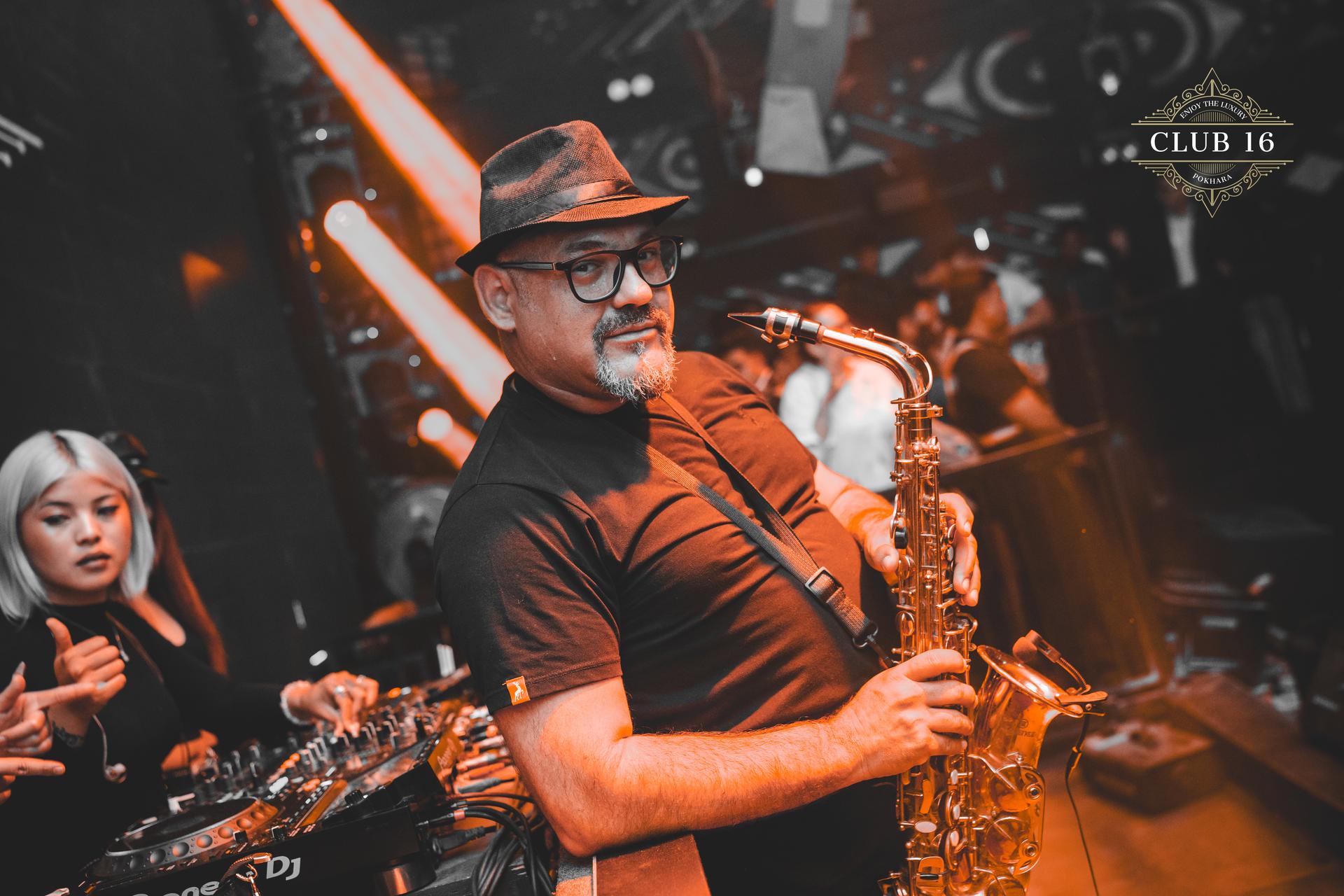
Second, live electronic performance is making a comeback. Rather than just a DJ behind decks, audiences are increasingly drawn to performers who play live — triggering samples, playing synths, and creating music in real-time. Club 16's stage, with its pyrotechnics, light shows, and performance space, is perfectly designed for this evolution.
Experience the Sound Revolution at Club 16
If you want to hear where Nepal's club music is headed — not just read about it — there's one place that consistently delivers. Club 16 on Street 16, Lakeside, Pokhara has become the proving ground for every trend on this list. From Afro house to melodic techno, bass nights to Nepali hip-hop crossovers, the programming reflects a venue that's genuinely plugged into the musical moment.
Open from 9 PM to 6 AM, with free entry, free pick-up and drop service, a VIP lounge, hookah, and that incredible LW sound system, Club 16 isn't just keeping up with Nepal's music trends — it's setting them. If you're planning your first visit, our nightlife tips for first-timers will help you make the most of it.
The sounds are evolving. The scene is growing. And Nepal's dance floors have never been more exciting. See you on the floor.