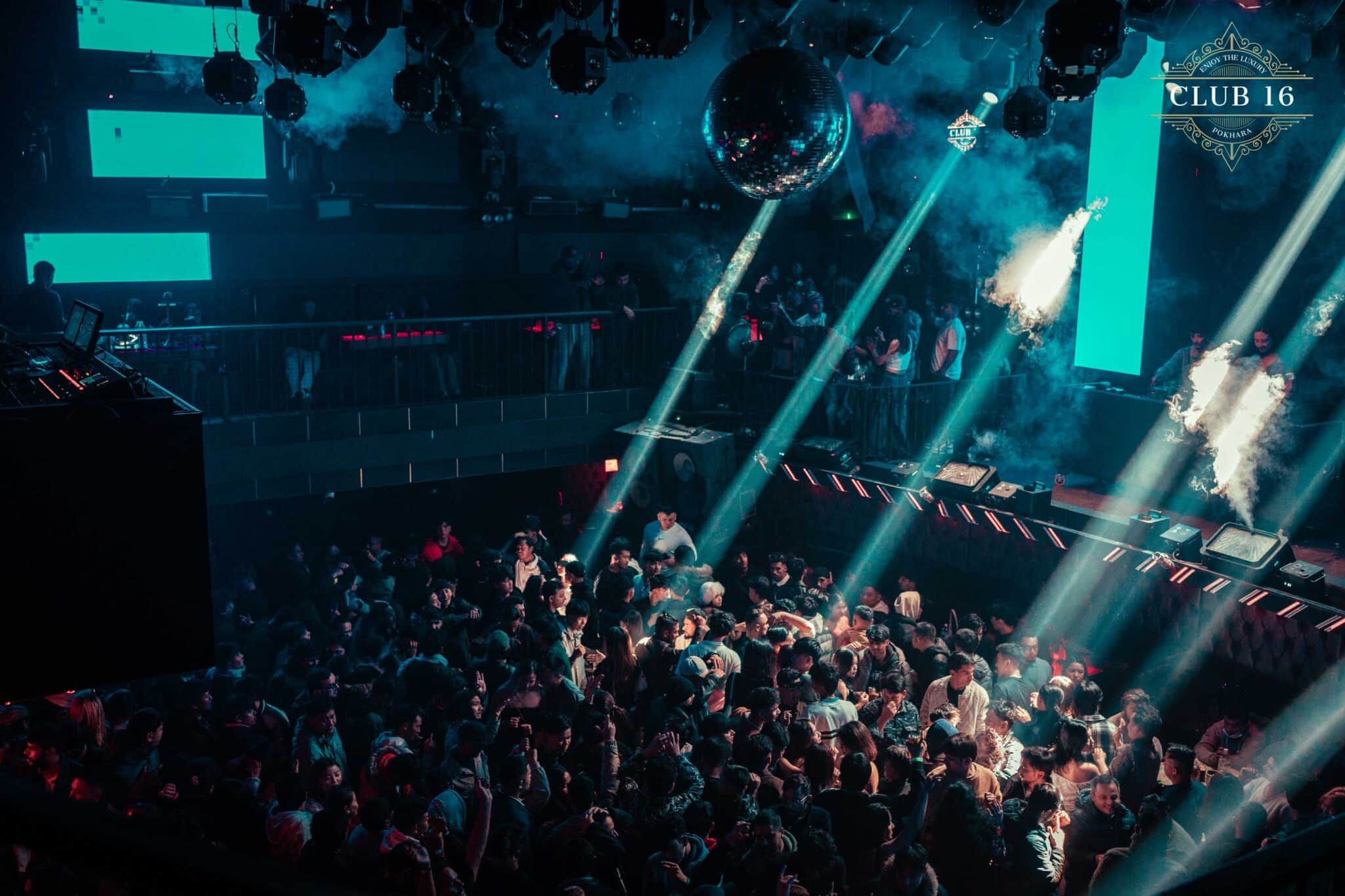
Tourism is the lifeblood of Nepal's economy, and for decades, the draw has been primarily natural: Mount Everest, the Annapurna Circuit, Chitwan National Park. But a new factor is emerging in Nepal's tourism equation: nightlife. Clubs like Club 16 in Pokhara are proving that after-dark entertainment can be a significant driver of tourist arrivals and spending.
The Nightlife-Tourism Connection
When Club 16 earned a spot on DJ Mag's Top 100, it did more than just gain a credential; it put Pokhara on the radar of a completely new demographic of travelers. Music lovers, nightlife enthusiasts, and cultural explorers who might never have considered Nepal are now adding it to their itineraries specifically because of the club scene.
How Nightclubs Boost Tourism
- Extended stays: tourists stay longer in cities with vibrant nightlife.
- Increased spending: nightlife visitors spend on drinks, food, transportation, and accommodation.
- Word-of-mouth marketing: great nights out generate social media content and recommendations.
- Off-season attraction: nightlife is year-round, helping smooth seasonal tourism fluctuations.
- Employment: Club 16 alone employs 70 staff, multiplied across all nightlife venues.
- Cultural exchange: nightclubs create spaces for meaningful interaction between locals and visitors.
Club 16 as a Tourism Catalyst
Club 16's free entry policy is a strategic advantage for tourism. By removing financial barriers, the venue maximizes foot traffic and creates an inclusive environment that tourists appreciate. The LGBTQ-friendly stance also appeals to progressive travelers who seek destinations that align with their values.
Nepal's nightclubs are not just entertainment venues; they are economic engines that drive tourism, create jobs, and showcase Nepal's modern, welcoming face to the world.