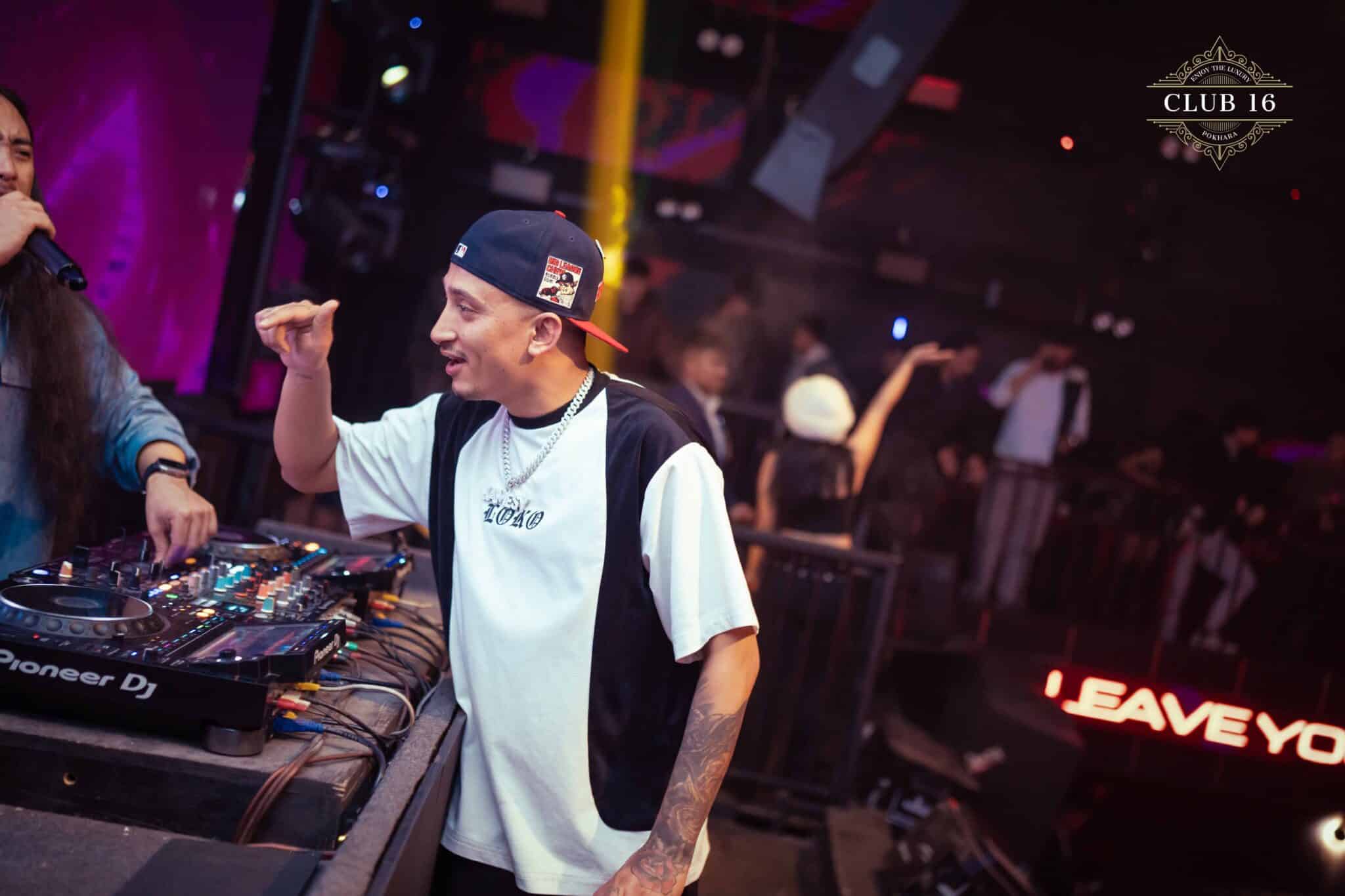
The nightclub and the discotheque share a common ancestor: the fundamental human desire to gather, listen to music, and dance. While the sounds, styles, and technologies have evolved dramatically since the disco era, the core experience of losing yourself on a dance floor remains timeless.
The Disco Era
Disco emerged in the 1970s as a cultural phenomenon that brought together diverse communities under the mirror ball. Venues like Studio 54 in New York became legendary for their inclusive atmospheres, where race, sexuality, and social status dissolved on the dance floor. The music featured lush orchestration, driving basslines, and irresistible four-on-the-floor beats.
The Evolution to Modern Nightclubs
As disco gave way to electronic music in the 1980s, nightclubs evolved alongside the technology. Synthesizers replaced orchestras, DJs replaced bands, and the dance floor became a space for new forms of electronic expression. From house music in Chicago to techno in Detroit, each new genre brought its own club culture.
The Modern Nightclub Experience
- Professional sound systems like the LW cinema-grade setup at Club 16 in Pokhara.
- Sophisticated lighting and visual effects that respond to the music.
- DJ culture that has elevated turntablism to an art form.
- Genre diversity from techno to hip-hop to Bollywood.
- VIP experiences that add a layer of exclusivity.
- Digital integration with social media and online communities.
Disco never really died; it just evolved. Every time you step onto a nightclub dance floor, you are continuing a tradition that stretches back decades.
Today's best nightclubs, like Club 16, honor the spirit of disco while embracing modern technology and music. The free entry, the inclusive atmosphere, and the dedication to the dance floor experience are all echoes of what made disco culture so powerful.