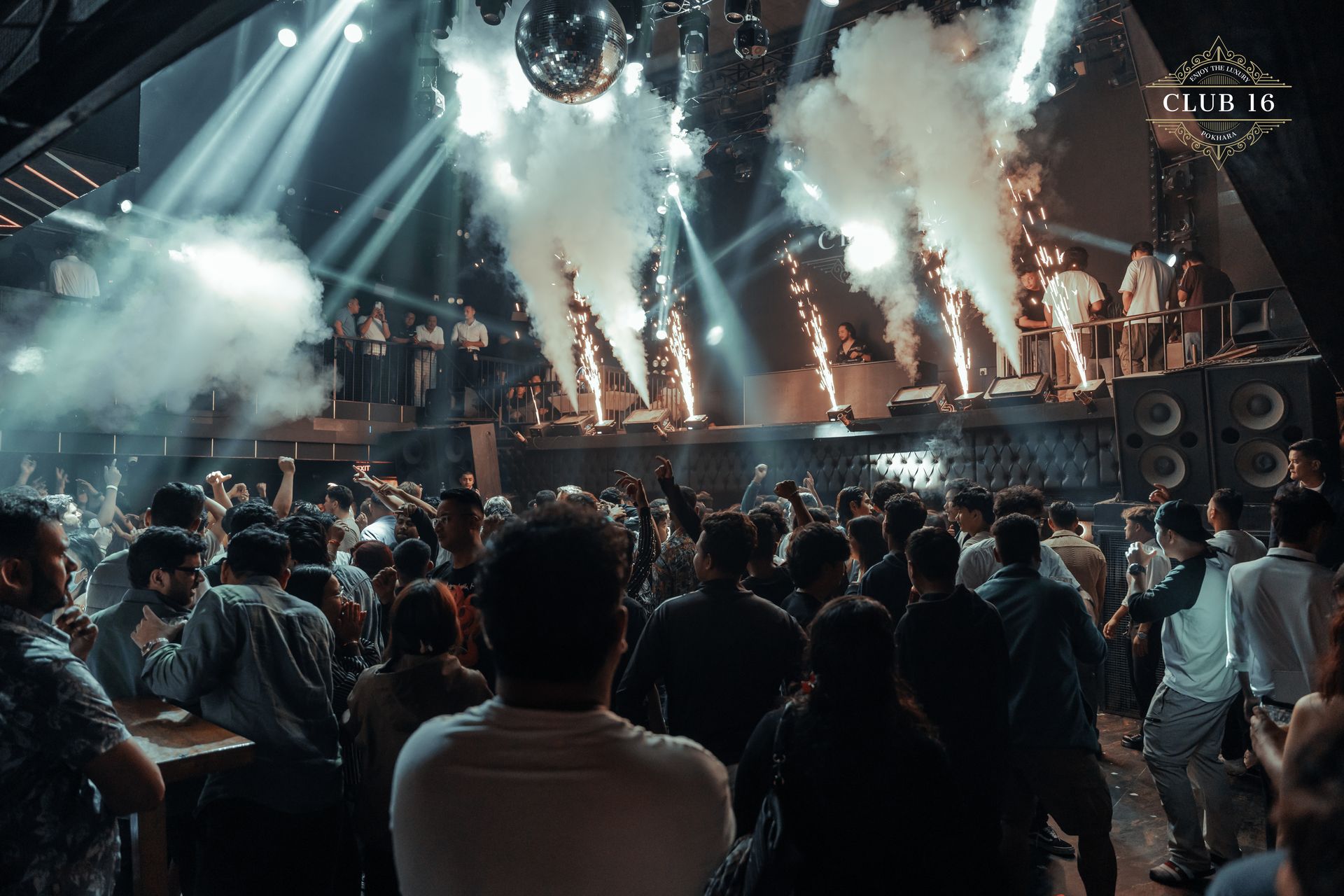
Every night, somewhere around 1 AM, there's a moment at a great club when the whole room seems to breathe in at once. The track strips back, the lights drop, the crowd's hands go up — and then the bass lands and three hundred people move like one body. Behind that moment is one person in the booth, reading the room and deciding exactly when to let go.
If you've ever stood on the dance floor and thought I want to be the one doing that, this guide is for you. Becoming a DJ in Nepal in 2026 is more achievable than it has ever been — but it's also more competitive. The gear is cheaper, the tutorials are free, and the scene is hungry for new talent. What separates the people who actually make it from the people who just own a controller is a clear path and a lot of honest practice.
Here's that path, from someone who watches DJs work a room every single night.
What Does a DJ Actually Do?
Before you buy anything, understand the job. A club DJ isn't just someone who presses play on a playlist. A good DJ:
- Selects music that fits the venue, the hour and the crowd
- Mixes tracks together so the energy never drops — matching tempo, key and phrasing
- Reads the room constantly, adjusting the direction of the set in real time
- Builds a journey — warm-up, peak time and the late-night stretch all need different energy
- Works with the venue — lighting, effects, MCs and the sound engineer
The technical part (mixing) can be learned in months. The musical part (selection and crowd-reading) takes years — and it's what people actually remember.
Step 1: Learn the Fundamentals
Beatmatching and phrasing
Beatmatching means aligning the tempo (BPM) of two tracks so they play in sync. Modern software has a "sync" button, and there's no shame in using it — but learn to beatmatch by ear anyway. When the sync fails, a laptop crashes or you walk into a booth with unfamiliar gear, your ears are your only backup.
Phrasing is just as important. Most dance music is built in blocks of 8, 16 and 32 beats. Start your next track at the top of a phrase and the mix feels natural; start it in the middle and the floor feels something is "off" even if they can't say what.
EQ and gain
The three EQ knobs on a mixer — low, mid, high — are where mixing really happens. The classic beginner mistake is letting two basslines play at full volume together, which turns the low end into mud. Learn to swap the bass between tracks cleanly, and keep your levels out of the red. On a serious club rig, distortion is brutally obvious.
Music theory basics
You don't need a music degree, but understanding key and harmonic mixing will instantly make your transitions smoother. Most DJ software shows the key of each track, often using the Camelot wheel system — tracks in compatible keys blend without clashing.
Step 2: Get the Right Gear (Without Overspending)
This is where most beginners in Nepal waste money. You do not need a club-standard setup to start.
- Beginner: a two-channel DJ controller plus a laptop running DJ software (many brands bundle a free or "lite" version). This is enough to learn every core skill.
- Headphones: closed-back, comfortable, loud enough to cue over a noisy room. Don't cheap out here — you'll use them for years.
- Speakers: a pair of decent monitors so you can hear what the crowd hears. Mixing only on headphones gives you a distorted sense of balance.
- Later: once you're serious, get time on professional CDJs/media players and a club mixer. That's the format you'll find in most professional booths, so you need to be comfortable on it before your first real gig.
Gear in Nepal can cost more than abroad because of import duties, so many aspiring DJs buy second-hand locally or ask friends travelling back from overseas. Whatever you do, buy for where you are now, not where you hope to be in three years.
Step 3: Build Your Music Library Properly
Your library is your instrument. A few rules every working DJ follows:
- Buy or license your music from proper download stores or use legitimate DJ streaming services. Ripping audio from video sites gives you low-quality files that sound terrible on a big system.
- Organise obsessively — by genre, energy level and mood. When the floor suddenly shifts, you need to find the right track in seconds, not minutes.
- Dig beyond the charts. Everyone has the top 40. Your identity comes from what you find that others don't — including local producers. As our guide to Nepal's club music trends shows, Nepali artists blending traditional instruments with electronic production are some of the most exciting sounds in the country right now.
Remember who you're playing for. A Nepali crowd often wants a mix of international house and EDM, Bollywood, Nepali pop and hip-hop — sometimes all in one night. A DJ who can move fluidly between them is worth far more than one who only knows a single genre.
Step 4: Practice Like It's Your Job
Here's the uncomfortable truth: the gap between a beginner and a booked DJ is mostly hours. Practice deliberately:
- Record every practice mix. Listen back the next day. You'll hear clashes and dead spots you missed in the moment.
- Practise full sets, not just transitions. Play 60–90 minutes straight and focus on the arc of the energy.
- Practise warm-up sets. Most new DJs only want to play peak-time bangers. Venues need people who can open a night patiently — and that's usually how you get your first slot.
- Play for real people. House parties, college events and friends' birthdays are your training ground. Nothing teaches crowd-reading like watching a room go quiet after a bad track choice.
Step 5: Learn From the Pros (and Get Real Booth Time)
YouTube can teach you knob-turning. It can't teach you what it feels like when a packed room is waiting on your next decision. That's why a structured course at a working venue is such a shortcut.
At Club 16 in Pokhara, our DJ course covers beatmatching, EQ mixing, song selection, effects, equipment and reading the room — taught by DJs who play our booth every week. The big difference is where you learn: not in a bedroom, but on a real club setup powered by our LW cinema-grade sound system. Hearing your mix on a rig like that teaches you more in an hour than a month of headphone practice — our breakdown of the best sound system in a Nepal nightclub explains why the room changes everything.
Top students can even earn the chance to play opening sets in the club itself. For current course dates and availability, get in touch with the Club 16 team.
Step 6: Build Your Brand
Talent gets you good. Visibility gets you booked. In Nepal, most DJ bookings come through social media and word of mouth, so:
- Pick a DJ name that's memorable, easy to search and not already taken.
- Upload mixes regularly to a mix-hosting platform and share clips on Instagram and TikTok. Short videos of you mixing, with a good crowd reaction, are your best portfolio.
- Create a simple press kit: a short bio, a few good photos, links to your best mixes and contact details.
- Show up. Go to nights, meet resident DJs, support other artists. The Nepal DJ scene is still small enough that relationships matter enormously.
Step 7: Land Your First Gigs
Your first paid set probably won't be at peak time on a Saturday — and that's fine. Common entry points in Nepal include:
- Bars and lounges that want background-to-party music on busy nights
- Private events — birthdays, weddings, corporate parties
- College and community events
- Opening slots at clubs, warming up the room for the resident or headliner
When you do get an opening slot, respect it. Don't play the headliner's biggest tracks. Don't push the energy too high too early. Hand over a room that's warmed up and ready — promoters notice DJs who make the whole night better, and that's how opening slots turn into residencies.
Kathmandu or Pokhara?
Kathmandu has the most venues and the biggest population, which means more gigs but more competition. Pokhara is smaller but has a year-round tourist crowd, a busy Lakeside strip and venues that program DJs seven nights a week. Many DJs build skills and a following in both cities.
Step 8: Keep Levelling Up
The DJs who last in this industry never stop learning. Once you're gigging regularly, explore:
- Music production — even simple edits and remixes give your sets something no one else has
- Advanced techniques — loops, effects, acapella layering, harmonic mixing
- Genre expansion — techno, Afro house, drum & bass and melodic sounds are all growing in Nepal
- Watching others — study how great DJs build their sets. Our profile of what makes the best DJ in Pokhara breaks down what separates good from unforgettable.
Common Mistakes New DJs Make
- Playing too loud and in the red, so the system distorts
- Playing only for themselves instead of the crowd
- Rushing the energy to peak in the first 20 minutes
- Showing up late or unprepared for a booking
- Ignoring the sound engineer and venue staff
- Copying a famous DJ's setlist instead of developing a personal sound
Can You Make a Living as a DJ in Nepal?
Yes — but rarely overnight. Most DJs in Nepal start with DJing as a side income while studying or working, then grow through private events, residencies and touring between cities. The most successful combine several income streams: club residencies, event bookings, production, teaching and brand partnerships. Consistency, professionalism and a recognisable sound matter far more than the size of your following on day one.
Feel the Booth Before You Step Into It
The best way to understand what DJing really is? Spend a night watching it done properly. Club 16 on Street 16, Lakeside, Pokhara is open from 9 PM to 6 AM with free entry, free pick-up and drop, a VIP lounge, hookah, and a booth that has hosted some of the best names in the country. Stand near the front, watch how the DJ builds the night, and pay attention to the moment the room breathes in.
Check what's coming up on our events page, dive deeper into the Nepal electronic music scene, or learn more about Club 16. Then, when you're ready to cross from the dance floor to the decks, our DJ course is waiting.
The booth is open. The crowd is ready. Your first mix starts now.